or businesses in Bingley, a properly designed and maintained commercial fire alarm system is not just a “nice to have” — it sits at the heart of your legal responsibilities and your day-to-day safety planning. Whether you manage a retail unit in the town centre, an office above the high street, a warehouse on a local industrial estate or a school or care facility, you need a system that will detect fire quickly, warn occupants clearly and support a safe evacuation.
A fire alarm isn’t just a panel on the wall. It’s a complete, interconnected system that must be selected, installed and maintained in line with current standards if it’s going to do its job properly when it matters.
From Fire Risk Assessment to System Design
Every compliant fire alarm starts with a fire risk assessment. That assessment identifies:
- Where a fire is most likely to start
- How quickly it could spread
- How people move through and out of the building
- Which areas need the earliest possible warning
Using this information, the system is designed to provide the correct level of cover for your premises. That might include:
- Detection in escape routes only
- Full coverage throughout all rooms and circulation spaces
- Additional protection in higher-risk areas such as plant rooms or storage zones
The goal is simple: ensure people in any part of the building receive a clear, timely warning so they can get out safely.
Choosing the Right Type of Fire Alarm for Your Premises
Not every Bingley business needs the same type of system. The right choice depends on the size, layout and use of your building. Typical commercial solutions include:
- Conventional fire alarm systems
Suitable for smaller premises where grouping detection into “zones” is enough to locate a fire. - Addressable systems
Better suited to larger or more complex buildings, as they identify the exact device in alarm, helping you pinpoint the source quickly. - Wireless systems
Useful for heritage buildings, multi-tenanted spaces or sites where running new cables is difficult or disruptive.
A professional fire alarm designer will match the system type to your building, your occupancy and your future plans, rather than forcing a one-size-fits-all option.
Clear Alerting: Sounders, Beacons and Notifications
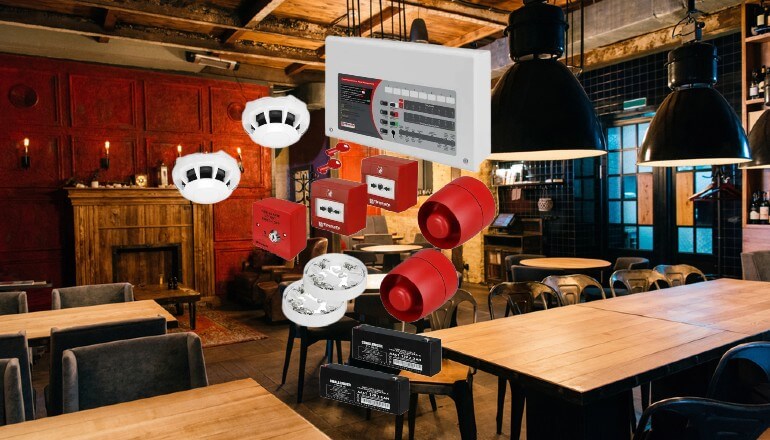
Detection is only one part of the picture. Alerting people is just as important. A commercial fire alarm system in Bingley will typically include:
- Audible sounders to give a clear, building-wide evacuation signal
- Visual beacons for noisy environments or to support those with hearing difficulties
- Manual call points at exits and key locations, allowing staff to raise an alarm immediately if they see a fire
In some buildings, alerts may also link to building management systems or third-party monitoring to support out-of-hours response.
Reducing False Alarms and Unnecessary Disruption
Unwanted fire alarm activations can be more than just annoying; they can cause lost revenue, unnecessary evacuations and reduced confidence among staff and visitors. A well-designed system helps reduce false alarms by:
- Selecting the right detector type for each area (for example, heat in kitchens rather than smoke)
- Positioning devices away from known sources of steam, dust or fumes
- Programming delays or investigation periods in appropriate commercial settings (where allowed by your risk assessment)
- Ensuring staff understand how to use and test the system correctly
Reducing false alarms keeps your business running smoothly while still maintaining safety.
Commissioning, Certification and Records
Once your new fire alarm is installed, it must be properly commissioned before it can be relied upon. Commissioning involves:
- Testing every detector, call point, sounder and interface
- Verifying cause-and-effect programming (what happens when each device activates)
- Checking standby battery capacity and mains supply
- Confirming all devices are labelled and zoned correctly
On completion, you should receive commissioning certificates and system documentation that your fire risk assessor, landlord or insurer may ask to see.
Ongoing Maintenance for Bingley Businesses
Fire alarms are life safety systems, so they must be maintained on a regular basis. For most commercial premises this means:
- Routine inspections (often quarterly or six-monthly) by a competent engineer
- Annual servicing including full system testing
- User checks such as weekly test activations of manual call points
Planned maintenance ensures:
- Devices are working as expected
- Any faults or panel warnings are investigated and resolved
- Batteries are replaced before they fail
- Your logbook and paperwork remain up to date for compliance purposes
A neglected system may appear fine on the surface but fail at the worst possible time.
Local Support for Fire Alarm Systems in Bingley
Businesses in Bingley benefit from working with a fire alarm provider that understands local premises, building stock and business types. From small independent shops to larger multi-storey buildings, having a single point of contact for design, installation, commissioning and maintenance makes managing fire safety much simpler.
A professionally designed and maintained commercial fire alarm system doesn’t just tick a compliance box. It protects your staff, reassures your visitors and helps keep your business operating safely day after day.