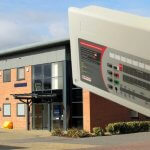
Bingley Commercial Fire Alarm Systems –
Fire alarm systems are a critical component of commercial fire safety in Bingley, particularly as businesses operate across a mix of offices, schools, retail units and light industrial premises. While fire extinguishers provide a first-response solution, fire alarm systems are responsible for early detection and warning — often making the difference between a minor incident and a major disruption.
For commercial premises, fire alarm design must go beyond basic compliance. Systems should be tailored to the building layout, occupancy levels and specific fire risks present within the environment. In Bingley, many businesses operate from converted buildings or shared premises, which introduces additional complexity when planning effective detection coverage.
A key consideration in fire alarm design is the category of system required. Life protection systems, such as L2 or L3, focus on ensuring occupants are alerted quickly enough to evacuate safely. Property protection systems, such as P1 or P2, are designed to detect fires at the earliest possible stage to minimise damage. Many Bingley businesses benefit from a combined approach, particularly where premises are occupied during the day but left unattended overnight.
Offices represent a common commercial setting in Bingley. While often considered lower risk, they still contain significant fire hazards, including electrical equipment, paper storage and soft furnishings. Automatic smoke detection is typically used to provide early warning, ensuring that even out-of-hours incidents are detected quickly.
Retail environments present a different challenge. Shops often experience fluctuating footfall and changing layouts, which means fire alarm systems must be adaptable. Detection devices should be positioned to provide consistent coverage regardless of how the space is configured, while manual call points must remain easily accessible to staff.
In light industrial and workshop environments, conditions can be more demanding. Dust, fumes and temperature fluctuations may affect the performance of standard smoke detectors. In these cases, heat detectors or specialist detection systems are often more appropriate. Selecting the correct detection method reduces the risk of false alarms while maintaining reliable fire detection.
Audibility is another critical factor. Alarm sounders must be clearly heard throughout the premises, including in areas with background noise. In some commercial environments, visual alarm devices may also be required to ensure all occupants are alerted effectively.
Modern fire alarm systems in Bingley are often addressable, meaning each detector can be individually identified. This allows for faster response during an incident, as staff or emergency services can pinpoint the exact location of the activation. Addressable systems are particularly beneficial in larger or more complex buildings.
Integration with other systems further enhances fire safety. Fire alarms can be linked to access control systems, door release mechanisms and ventilation controls. This coordinated response helps manage evacuation and limit the spread of fire and smoke throughout the building.
Regular maintenance is essential to ensure reliability. Weekly user tests confirm the system is functioning correctly, while periodic servicing by a qualified engineer ensures all components remain in good working order. Any faults should be addressed promptly to maintain compliance and safety.
False alarms can disrupt business operations and lead to complacency if they occur frequently. Proper system design, appropriate detector selection and ongoing maintenance all help reduce the likelihood of unwanted activations.
For businesses in Bingley, a well-designed fire alarm system provides more than compliance. It offers early detection, supports safe evacuation and helps protect property and operations. When specified correctly and maintained properly, it becomes a vital part of a business’s overall risk management strategy.